Water Intake Calculator: How Much Water Should You Drink Daily?
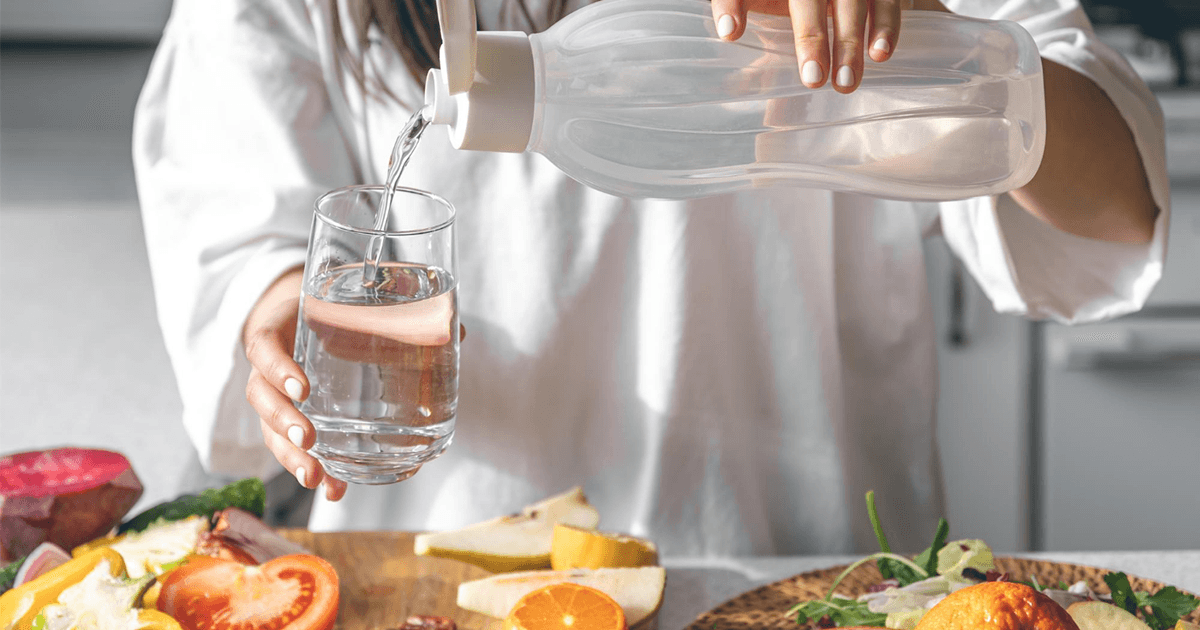
You have probably heard the 8-glass rule. Or the half your body weight rule. Or the drink when you are thirsty rule. And honestly, they all sound different because they are all different.
The truth is, how much water you need depends on your weight, activity level, climate, and what you are doing that day. A calculator makes it simple. In 10 seconds, you get a number that is actually tailored to you instead of generic advice.
Short version: Use a water intake calculator to find your personal hydration target, then drink that amount and adjust based on how you feel.
Why does water intake matter so much?
Water is not fancy. It is just water. But it does almost everything in your body: regulates temperature, delivers nutrients, flushes waste, cushions joints, and keeps your skin and organs functioning.
When you are properly hydrated, you have more energy, better focus, clearer skin, and it is easier to lose weight. When you are dehydrated, even by 2%, your performance and mood drop.
- Boosts energy and mental clarity
- Improves physical performance during workouts
- Helps your body burn calories more efficiently
- Keeps skin clear and reduces hunger pangs
- Prevents headaches and fatigue
- Supports digestion and kidney function
Pro Tip: Most people who think they are hungry are actually just thirsty. Try drinking a glass of water first before reaching for a snack.
How much water should you actually drink?
This is where the confusion starts. Here are the most common recommendations:
- The 8 × 8 rule: 8 glasses of 8 ounces (2 liters) daily
- The 35 rule: 35 ml per kg of body weight
- The 2/3 rule: Drink 2/3 of your body weight in ounces
- The activity rule: Add extra water for each hour of exercise
All of these can be right, but none of them are right for everyone. A sedentary 50 kg woman needs different amounts than an athletic 90 kg man training in the heat.
Factors that change your water needs
1. Your body weight
Heavier people need more water. A simple formula is to drink 35 ml of water per kilogram of body weight. A 60 kg person needs about 2.1 liters daily. An 80 kg person needs about 2.8 liters.
2. Your activity level
If you exercise or do physical work, you lose water through sweat. Add 12 to 16 ounces (350 to 500 ml) of water for every 30 minutes of moderate exercise.
3. Climate and season
Hot weather and humidity increase water loss through sweat. In summer or hot climates, you might need 30% more water than in winter.
4. Diet and caffeine
Caffeine is a mild diuretic, so if you drink coffee or tea, add extra water. Salty foods also increase thirst. High-protein diets require slightly more water for digestion.
5. Health conditions
Fever, vomiting, diarrhea, diabetes, and kidney disease all affect water needs. Talk to a doctor if you have health concerns.
Water intake by activity level
| Activity Level | Description | Daily Water Target (70 kg person) | Adjustment |
|---|---|---|---|
| Sedentary | Little to no exercise | 2.0 to 2.5 liters | Base amount |
| Light Activity | Light exercise 3 to 4 days per week | 2.5 to 3.0 liters | +500 ml |
| Moderate Activity | Moderate exercise 5 days per week | 3.0 to 3.5 liters | +1000 ml |
| High Activity | Intense training or outdoor work | 3.5 to 4.5 liters | +1500 to 2000 ml |
These are guidelines. Your actual needs depend on your individual body, the intensity of your activity, and the environment. Use a calculator to get your personalized number.
Signs you are drinking enough water
- Your urine is pale yellow or clear
- You rarely feel thirsty
- Your energy levels stay steady throughout the day
- Your skin looks clear and hydrated
- You do not get headaches regularly
- Your digestion feels smooth
The best indicator of hydration is the color of your urine. If it is dark yellow or orange, drink more water. If it is pale or clear, you are doing well.
Pro Tip: Check your urine color first thing in the morning. That is the most accurate time, since you have not been drinking for 8 hours.
Common water intake myths
- Myth: You must drink exactly 8 glasses. Reality: It depends on your weight and activity.
- Myth: Tea and coffee do not count as water. Reality: They do, but caffeine is a mild diuretic.
- Myth: You should only drink when you are thirsty. Reality: Thirst is a late signal. Drink before you are thirsty.
- Myth: Drinking too much water is impossible. Reality: Water intoxication is rare but possible in extreme cases.
- Myth: All water needs come from drinking water. Reality: About 20% comes from food like fruits and vegetables.
The best hydration strategy is simple: use a calculator to find your baseline, then adjust based on your urine color and how you feel.
How to drink more water without it feeling like a chore
 Make water part of your routine
Five ways to drink more water without thinking about it
Hydration works best when it becomes automatic, not when you have to force it.
- Start your day with a glass of water before coffee
- Keep a water bottle with you at all times
- Drink water before, during, and after workouts
- Drink a glass before each meal
- Add flavor with lemon, cucumber, or mint if plain water feels boring
Simple water intake schedule to follow
Here is a simple daily schedule that works for most people. Adjust the amount based on your calculator result and activity.
- 7:00 AM: 250 ml with breakfast
- 9:00 AM: 250 ml mid-morning
- 12:00 PM: 250 ml before lunch
- 2:00 PM: 250 ml afternoon break
- 4:00 PM: 250 ml pre-workout or before evening activity
- 6:00 PM: 250 ml with dinner
- 8:00 PM: 250 ml before bed (optional, depends on sleep preference)
- Throughout day: Add more water if exercising or in hot weather
Pro Tip: Do not drink all your water at once. Spread it throughout the day. Your body can only absorb about 200 to 300 ml at a time efficiently.
How our water intake calculator works
Our calculator takes three key factors into account:
- Your body weight: Using the 35 ml per kg formula as a baseline
- Your activity level: Adding extra water for exercise and physical activity
- Adjustments: Accounting for climate, diet, and other factors
The result is your personalized daily hydration target. This is not a magic number, but a evidence-based starting point that you can adjust based on how you feel, your urine color, and your environment.
Get your personalized water intake target in 10 seconds
Stop guessing how much water you need. Enter your weight and activity level, and get a hydration plan tailored to you.
Water intake and weight loss connection
If you are trying to lose weight, water becomes even more important. Here is why:
- Water has zero calories but keeps you full
- Drinking water before meals reduces how much you eat
- Proper hydration boosts metabolism by 3 to 5%
- Water helps your body burn fat efficiently
- Dehydration is often mistaken for hunger
Studies show that people who drink water before meals eat fewer calories overall. It is one of the simplest weight loss tools available.
Pro Tip: Drink 250 to 500 ml of water 30 minutes before meals. You will feel fuller and eat less without feeling deprived.
What about electrolytes and sports drinks?
For most daily activities and casual exercise, plain water is perfect. You do not need sports drinks or electrolyte powders.
Electrolytes matter only if you are exercising hard for more than 60 minutes, sweating heavily, or in extreme heat. Otherwise, the sodium and sugar in sports drinks outweigh the benefits.
- Under 60 minutes exercise: Stick with water
- 60 to 90 minutes: Water is still fine
- Over 90 minutes intense activity: Consider electrolyte drink
- Hot climate or heavy sweating: Water plus a pinch of salt and lemon
Common mistakes people make with hydration
- Waiting until they are thirsty to drink. Thirst is a late indicator.
- Drinking too much water too fast. This can cause water intoxication.
- Not accounting for activity and heat. These dramatically increase needs.
- Forgetting that coffee and tea have a diuretic effect. Add extra water.
- Drinking mostly water only, ignoring food water content.
- Ignoring urine color. This is the best real-time hydration indicator.
- Not adjusting intake in different seasons. Summer needs are different from winter.
The best approach is to find your baseline with a calculator, then adjust based on real feedback from your body.
Final verdict
The amount of water you need is personal. It depends on your weight, activity, and environment. Forget generic rules and use a calculator to find your actual number.
Once you know your target, the real work is making hydration a habit. Carry a water bottle, drink before you are thirsty, and check your urine color. Simple habits, lasting results.
Water is the easiest health optimization available. It costs almost nothing, works quickly, and requires no special knowledge. Start calculating your target today.